DharmashastraAugust 12, 2026
The Three Balls: Ancestral Rites in the Tripiṇḍīśrāddha
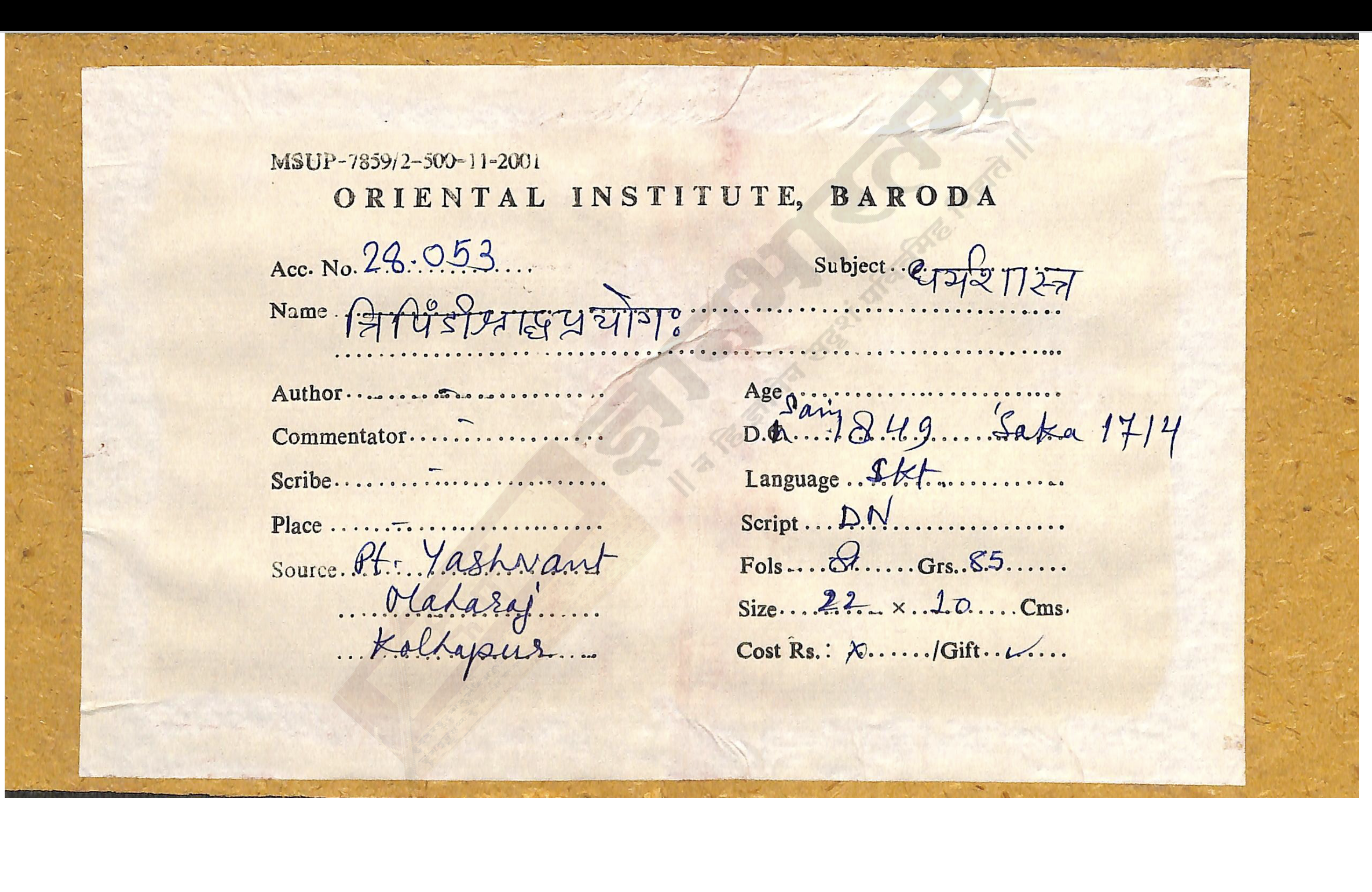
Tripiṇḍīśrāddhaprayoga is a manual of the ancestral rites — the three piṇḍas, the Kṣipiṇḍī rite, and the worship that keeps the departed connected to the living.

7 articles filed under Dharmashastra.
Tripiṇḍīśrāddhaprayoga is a manual of the ancestral rites — the three piṇḍas, the Kṣipiṇḍī rite, and the worship that keeps the departed connected to the living.
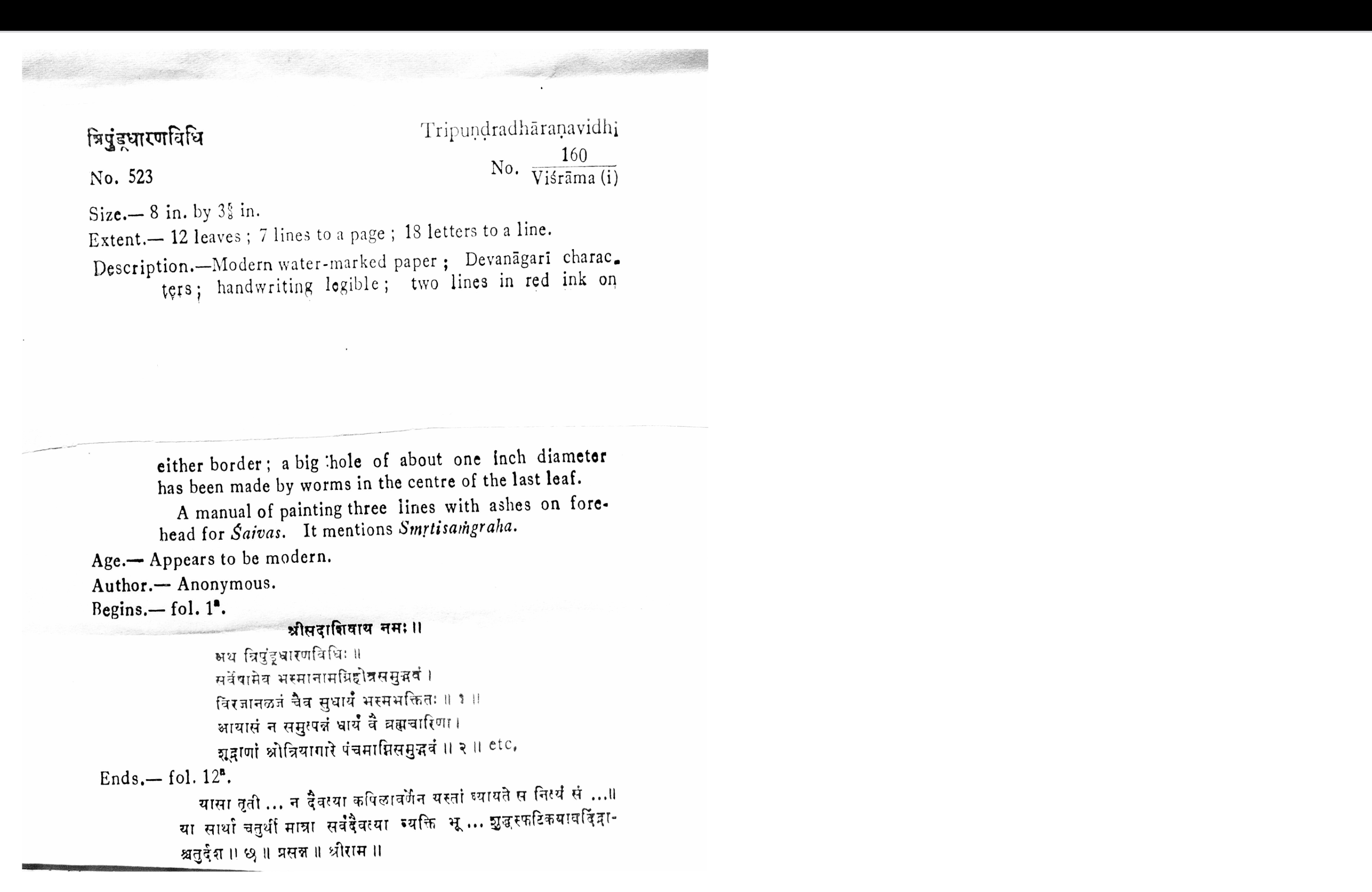
Ekavastrasnānavidhi — 'the bath with one garment' — prescribes the rituals of purification: the ash of the Agnihotra for the tilaka, and the sacred bath that restores purity.
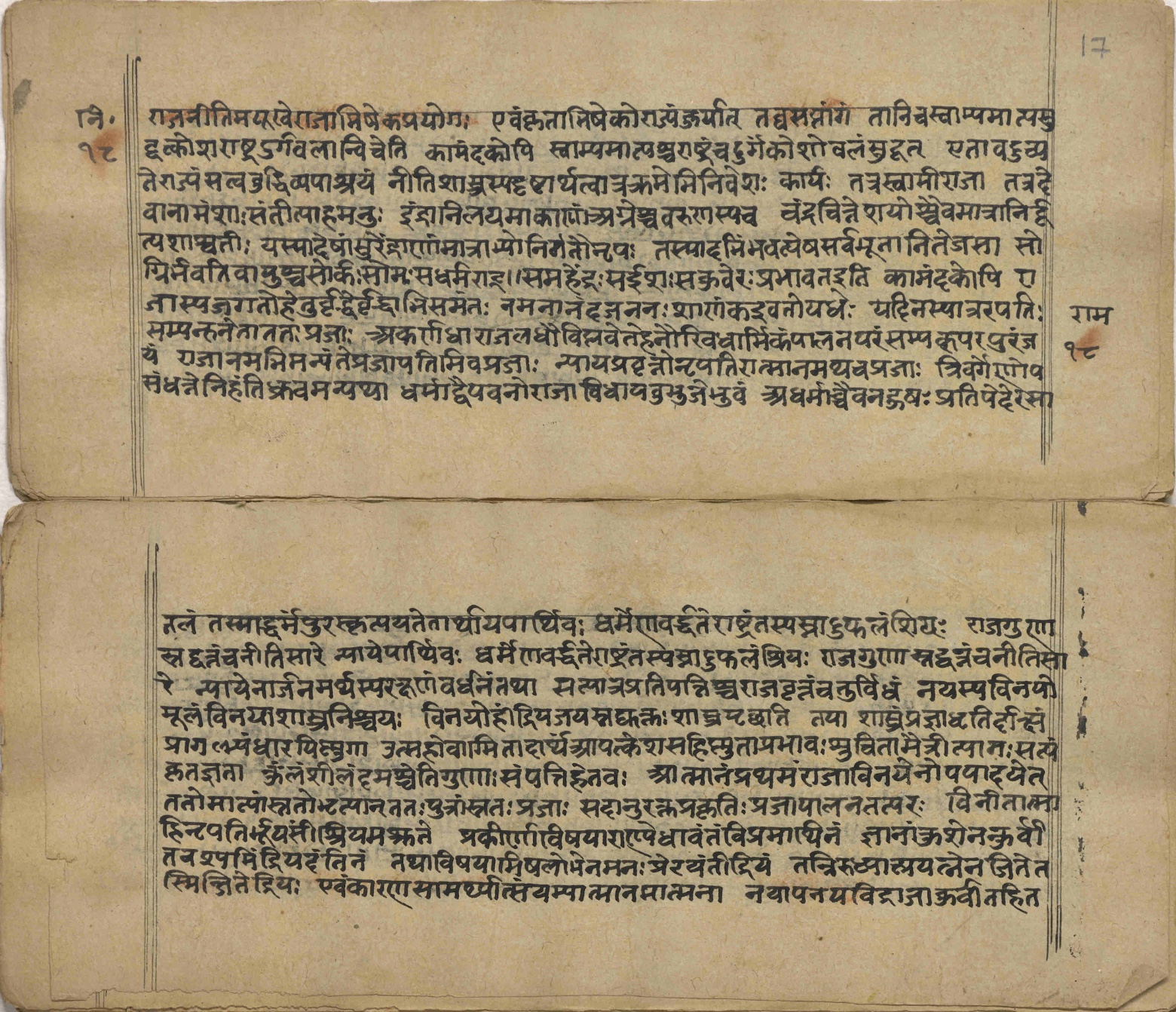
A second Nītimayūkha manuscript confirms the doctrine of the seven-constituent kingdom — and cites Kauṭilya alongside Kāmandaka for the anatomy of the state.
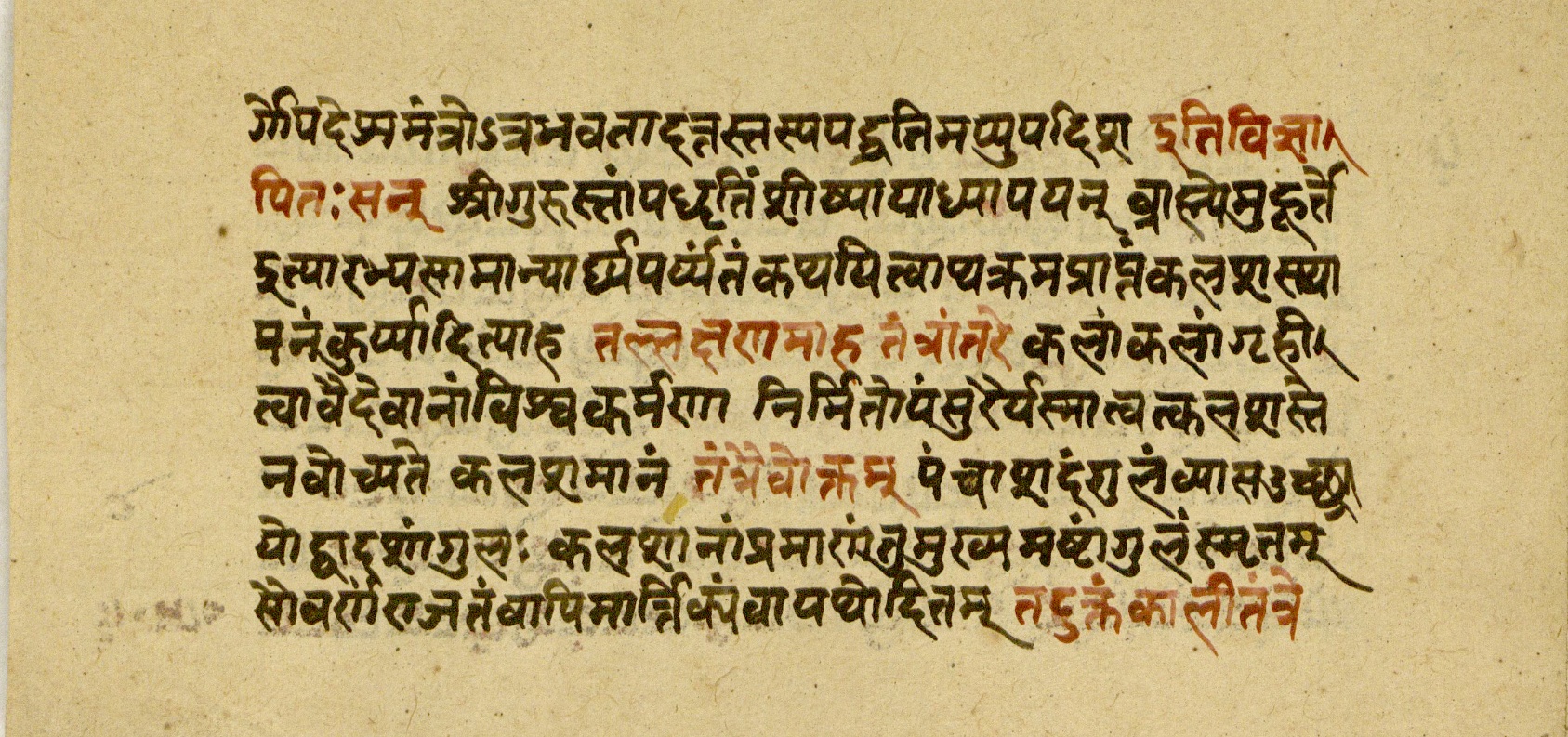
Gandhottamanirṇaya, a ritual manual, measures the kalasha vessel — made by Viśvakarman himself — and defends the consistency of Veda and Āgama against the skeptic.
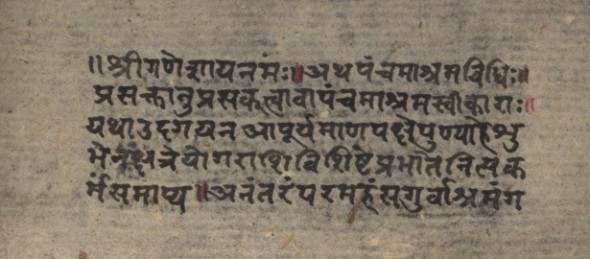
Pañcamāśramanirūpaṇa describes the acceptance of the fifth āśrama — the renunciate stage — with its auspicious timing, its fire ritual, and its final leaving behind of the world.
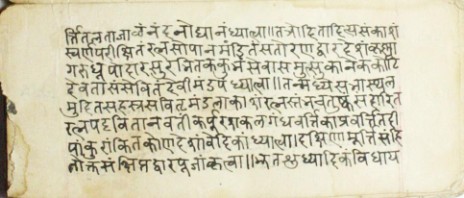
Cakrapūjana is a ritual manual for worshipping the Śrī Cakra — the sacred diagram of the Supreme Goddess — with meditations, nyāsas, and the geometry of the nine enclosures.
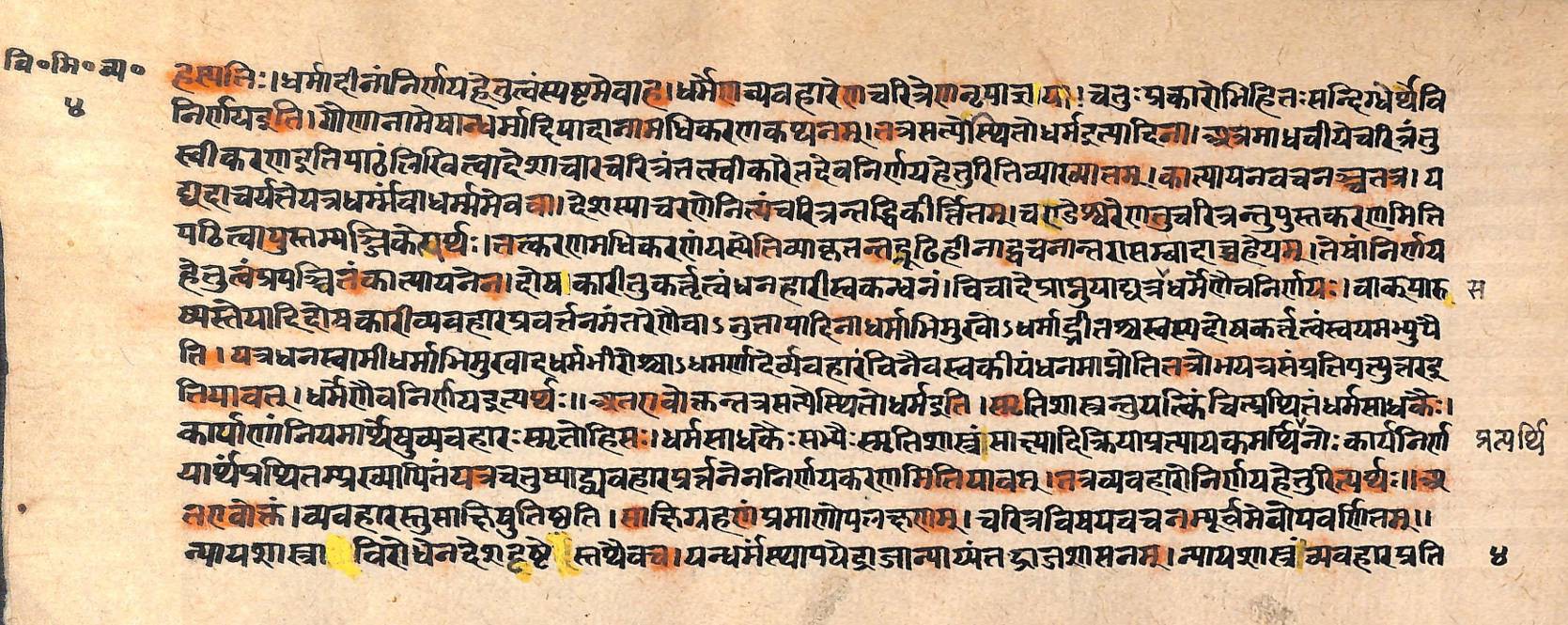
Vīramitrodaya's Vyavahārakāṇḍa, a 17th-century legal digest, lays out the four means of deciding doubtful matters — dharma, vyavahāra, caritra, and the king's command.