KavyaJuly 31, 2026
A Second Rādhāsudhānidhi: The Treasure of Rasa
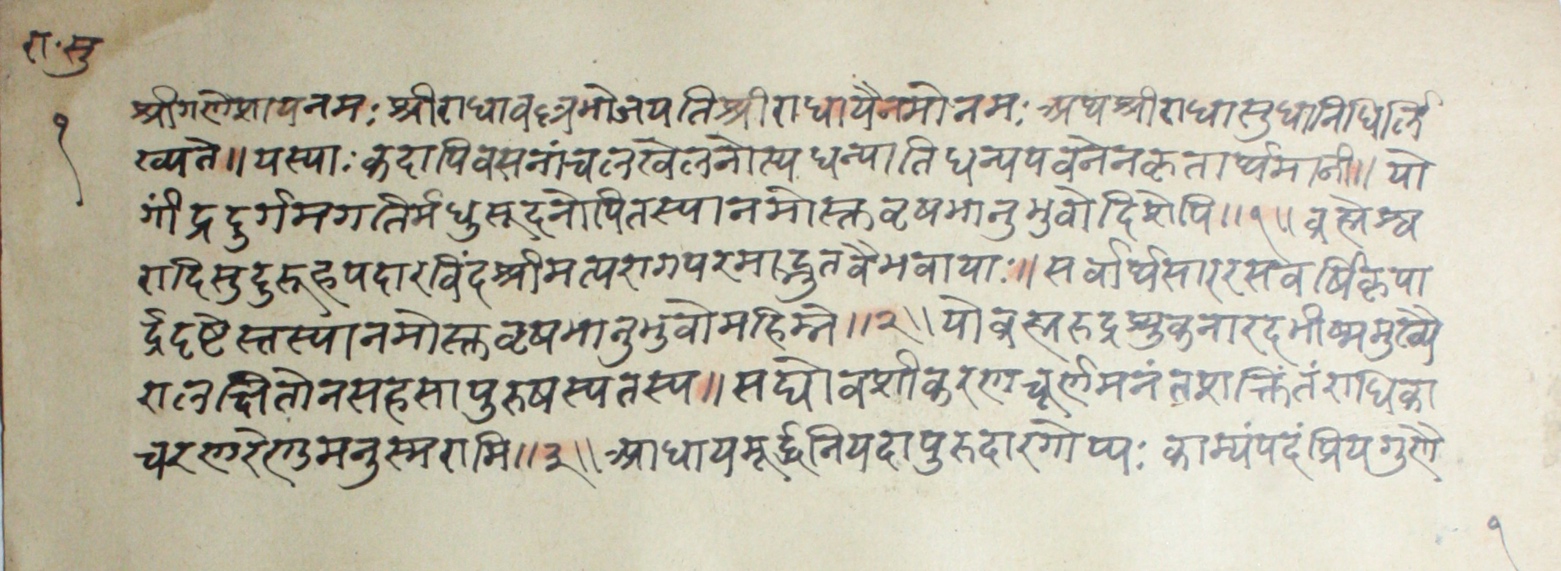
A second copy of the Rādhāsudhānidhi opens with the same longing — Rādhā as the wish-fulfilling cow of rasa, and the poet meditating on the dust of her feet.

6 articles filed under Kavya.
A second copy of the Rādhāsudhānidhi opens with the same longing — Rādhā as the wish-fulfilling cow of rasa, and the poet meditating on the dust of her feet.
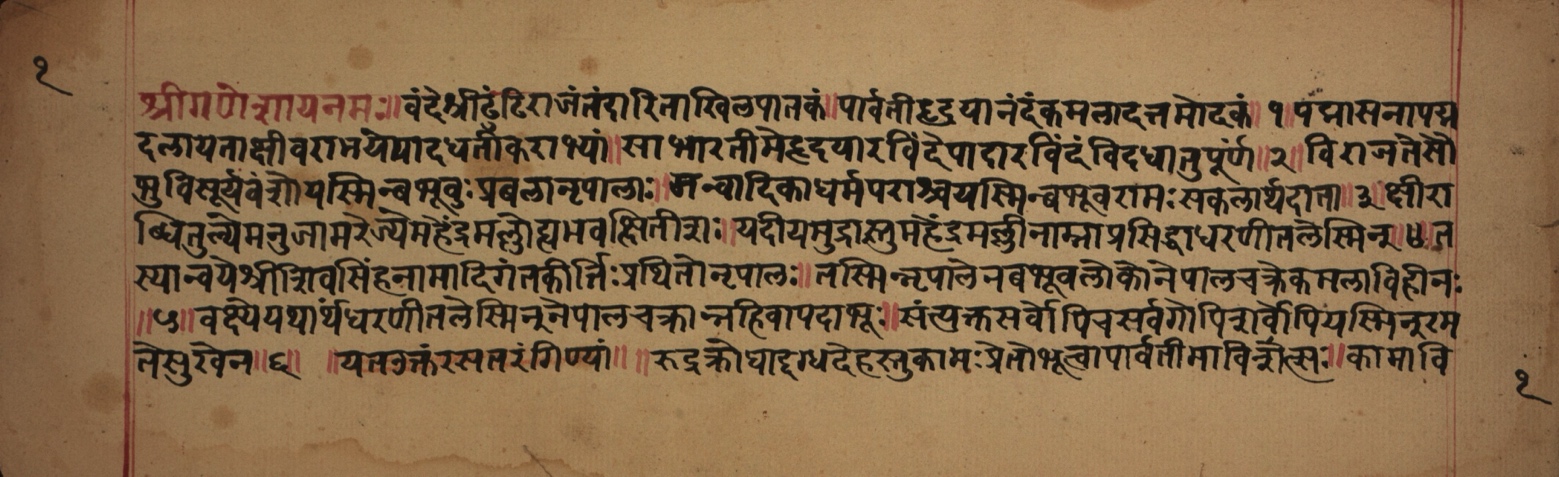
Sabhāvinoda, a Sūryavaṃśa court text, describes Nepal as a place without thieves or cow-killers — 'where there is no separation of husband and wife, there one should consider heaven itself to be present.'
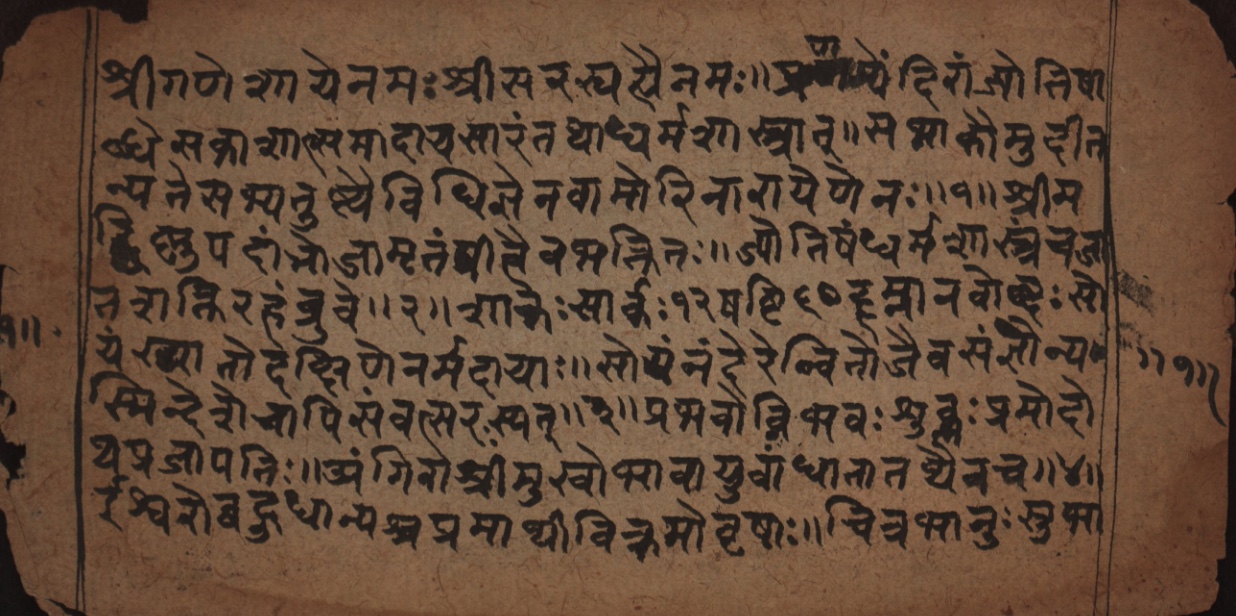
Sabhākaumudī, composed by Vāmorinārāyaṇa on the Narmadā's south bank, blends jyotiṣa and dharmaśāstra — the sixty-year cycle, the seasons, and which tithis are auspicious.
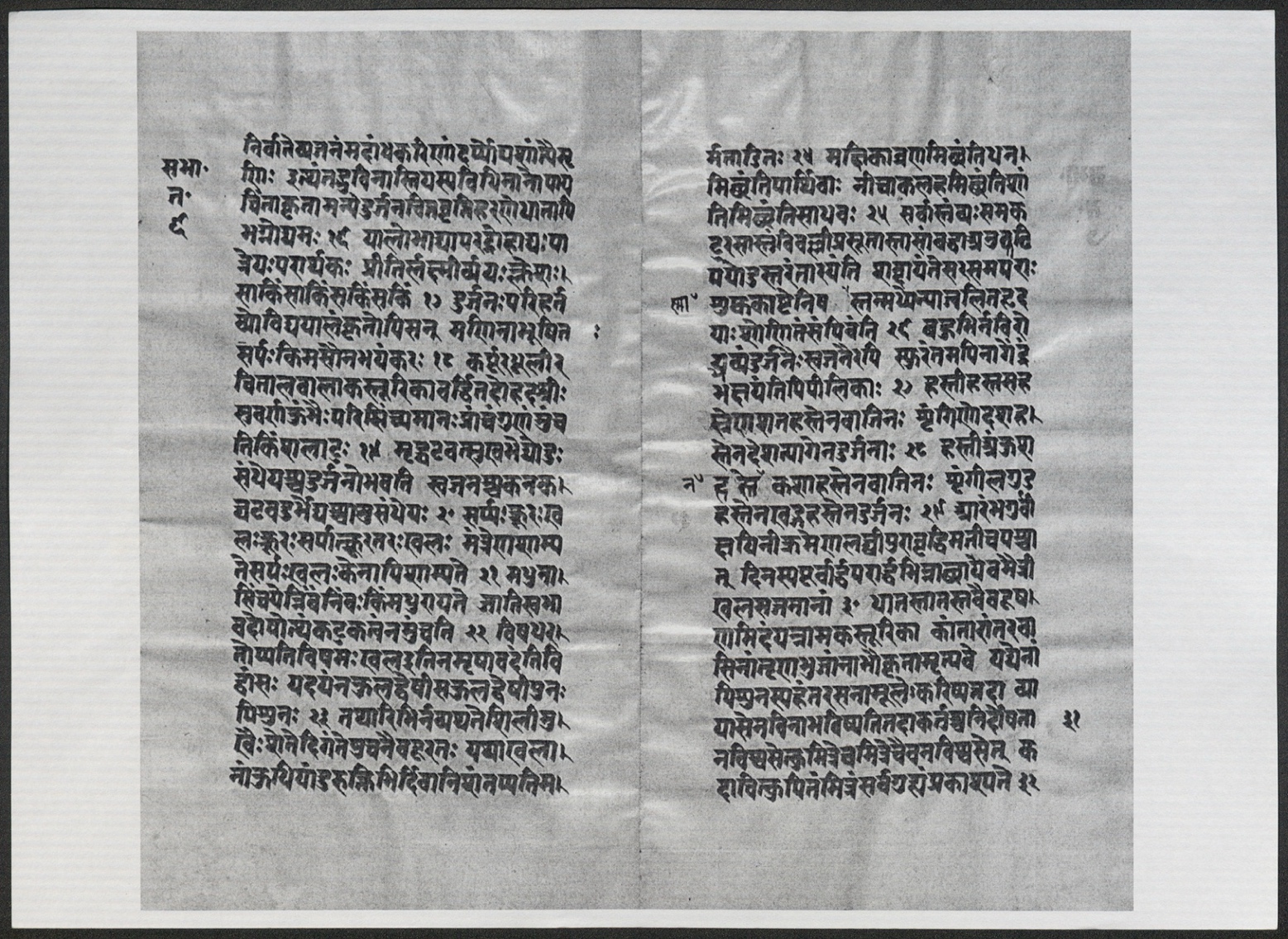
Sabhātaraṅga collects subhāṣitas — pointed verses on virtue, folly, and statecraft — from the 'assembly wave' tradition, including the famous prayer of the Cātaka bird.
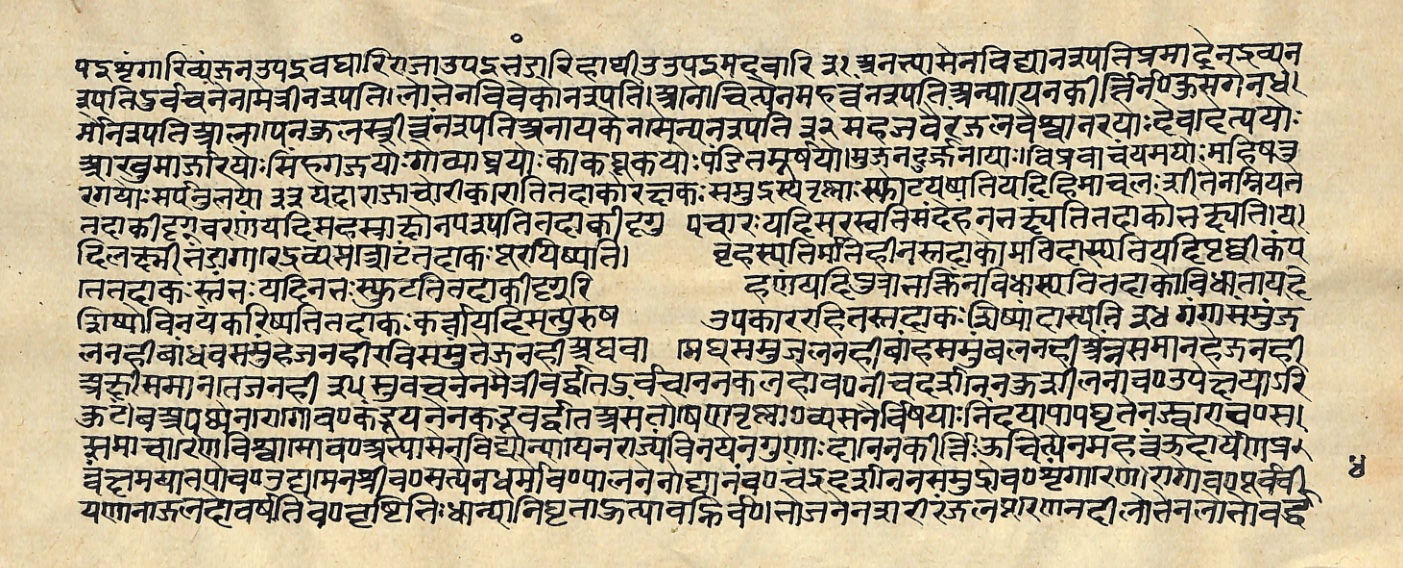
Sabhāśṛṅgāra strings together aphorisms on how knowledge, wealth, fame, and righteousness perish — and how natural enmities like dog and cat, owl and crow, are fixed.
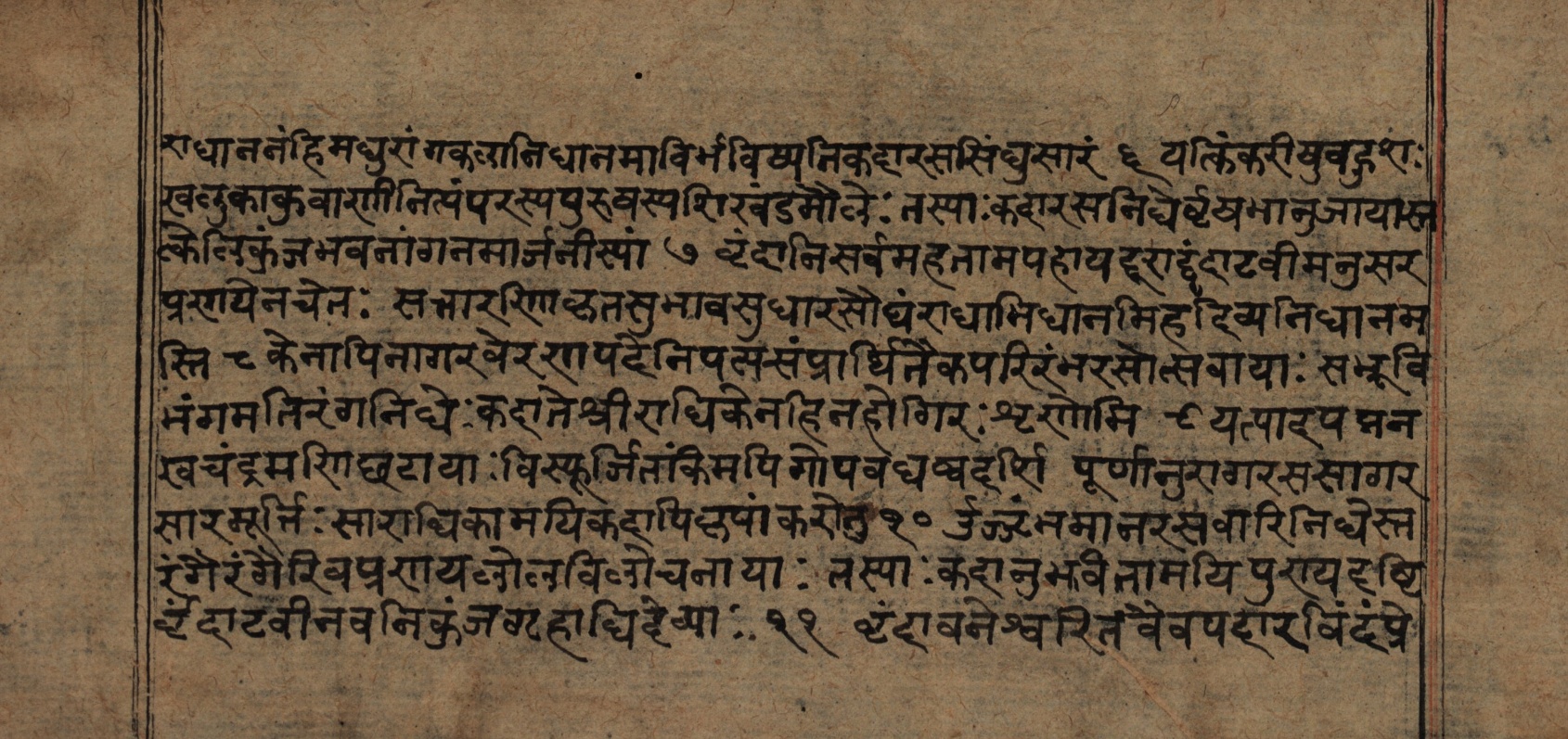
Rādhāsudhānidhi, a Vaishnava poem by Vyāsa Kāśīrāma, praises Rādhā as the embodiment of rasa — and voices the poet's wish to serve her as a maidservant.