KavyaFebruary 10, 2026
Sabhātaraṅga: Wit and Wisdom for the Assembly
Sabhātaraṅga collects subhāṣitas — pointed verses on virtue, folly, and statecraft — from the 'assembly wave' tradition, including the famous prayer of the Cātaka bird.

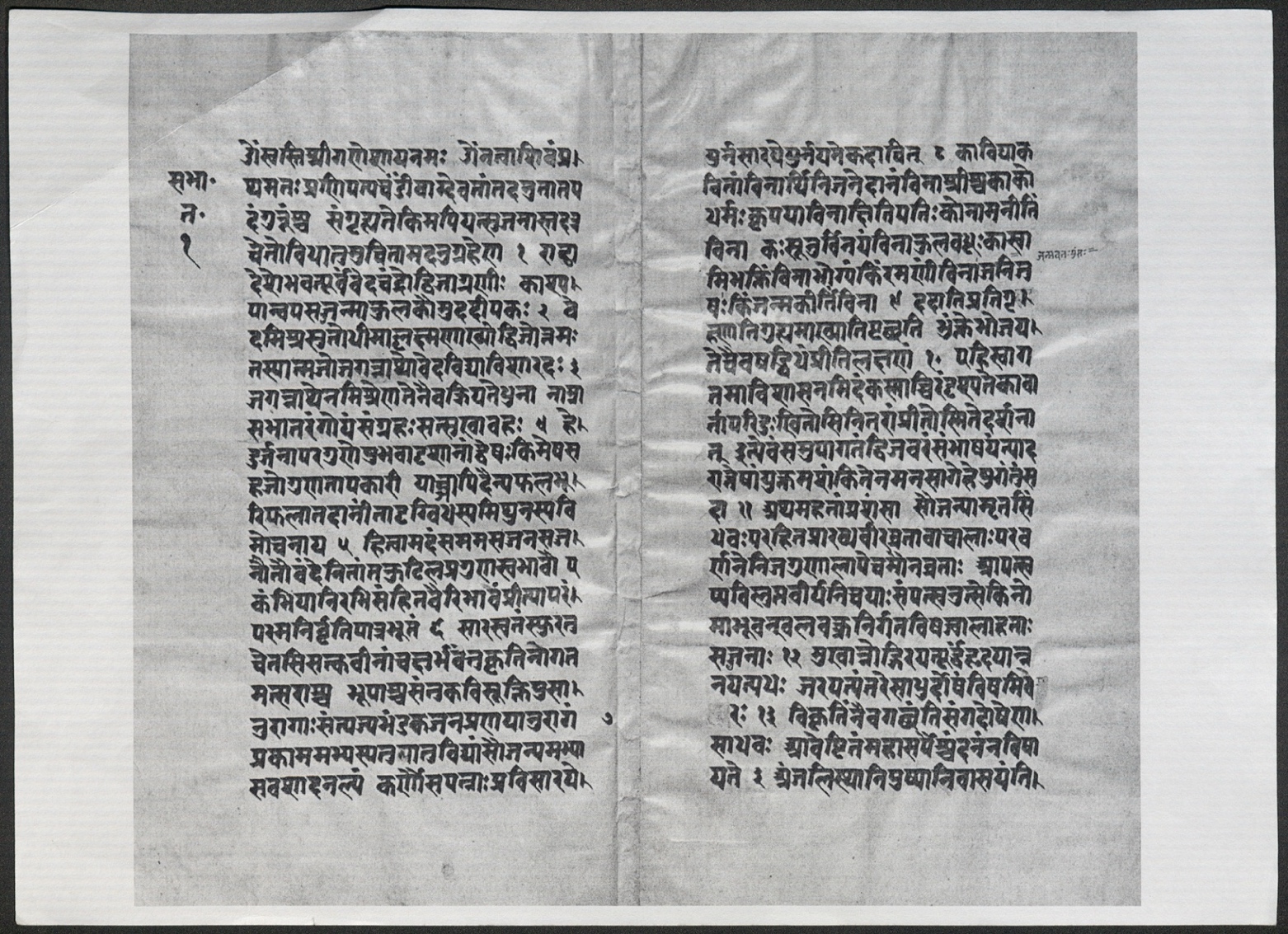
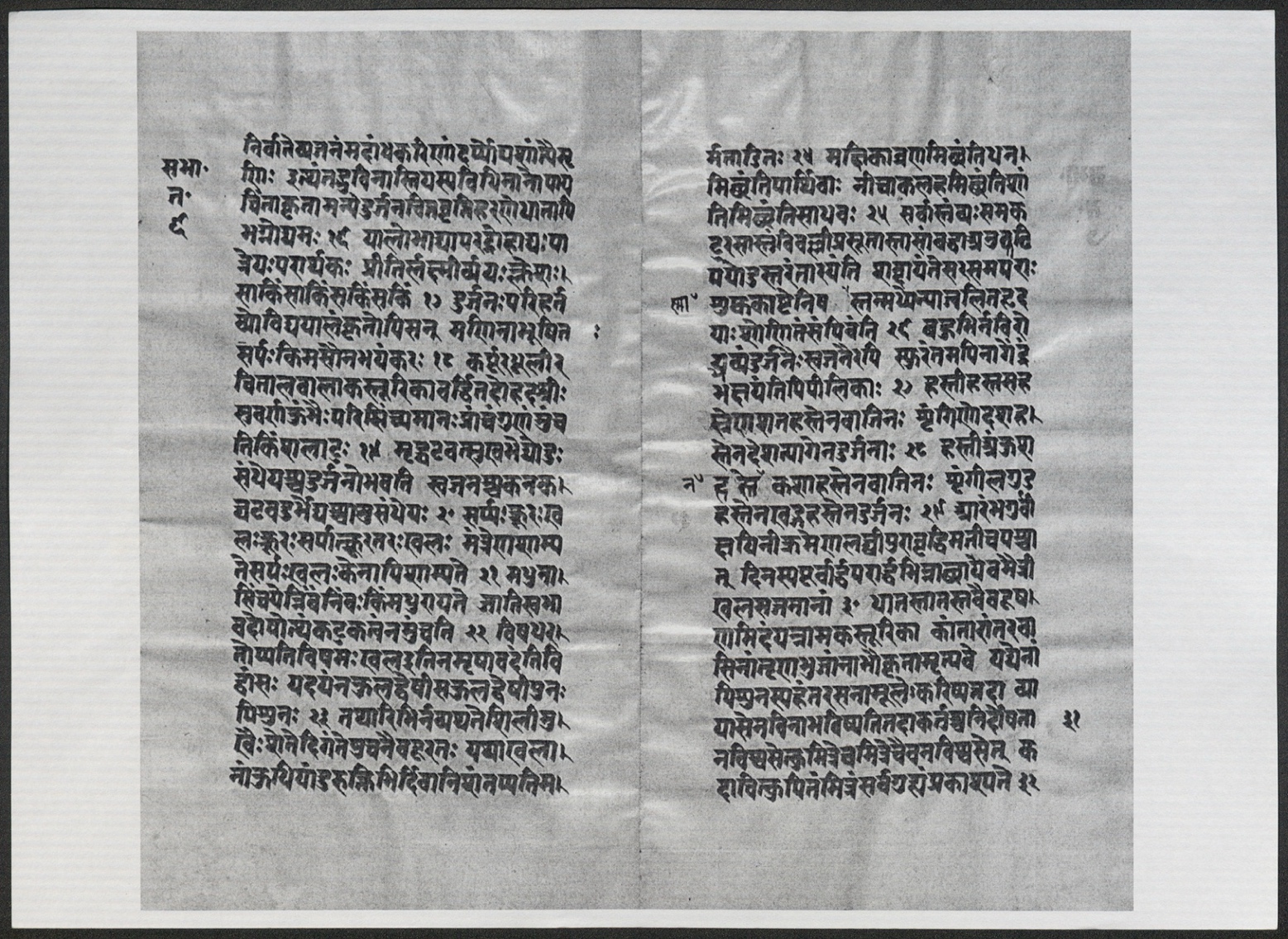
This Sanskrit manuscript presents a didactic treatise on ethical conduct and the nature of virtuous persons (sajjana), composed in the classical śloka meter with interspersed prose commentary. The text, attributed to Jagannātha Miśra and titled *Sabhataraṅga* or *Sabhā*, systematically enumerates the characteristics of noble individuals through elaborate poetic conceits—comparing the virtuous to sandalwood unaffected by serpents, the moon undiminished by Rāhu's eclipse, and clouds that give rain without expectation of return. Particularly noteworthy is its sophisticated deployment of *nītiśāstra* (moral instruction) topoi, including the sixfold signs of affection (*ṣāḍvidha prītilakṣaṇa*), the fourfold testing of gold and men, and the paradoxical endurance of virtue through adversity. The manuscript exhibits significant textual corruption and lacunae, with frequent avagraha markings and numerical indicators suggesting it served as a pedagogical or recitational copy within a traditional Sanskrit learning environment.