Sanskrit
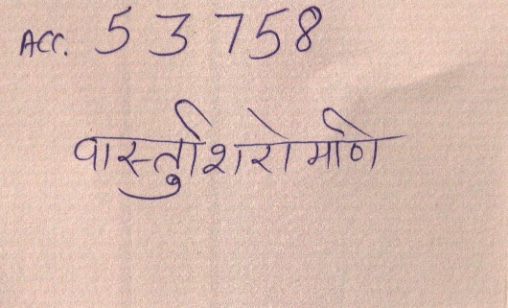
Vāstuśiromaṇi
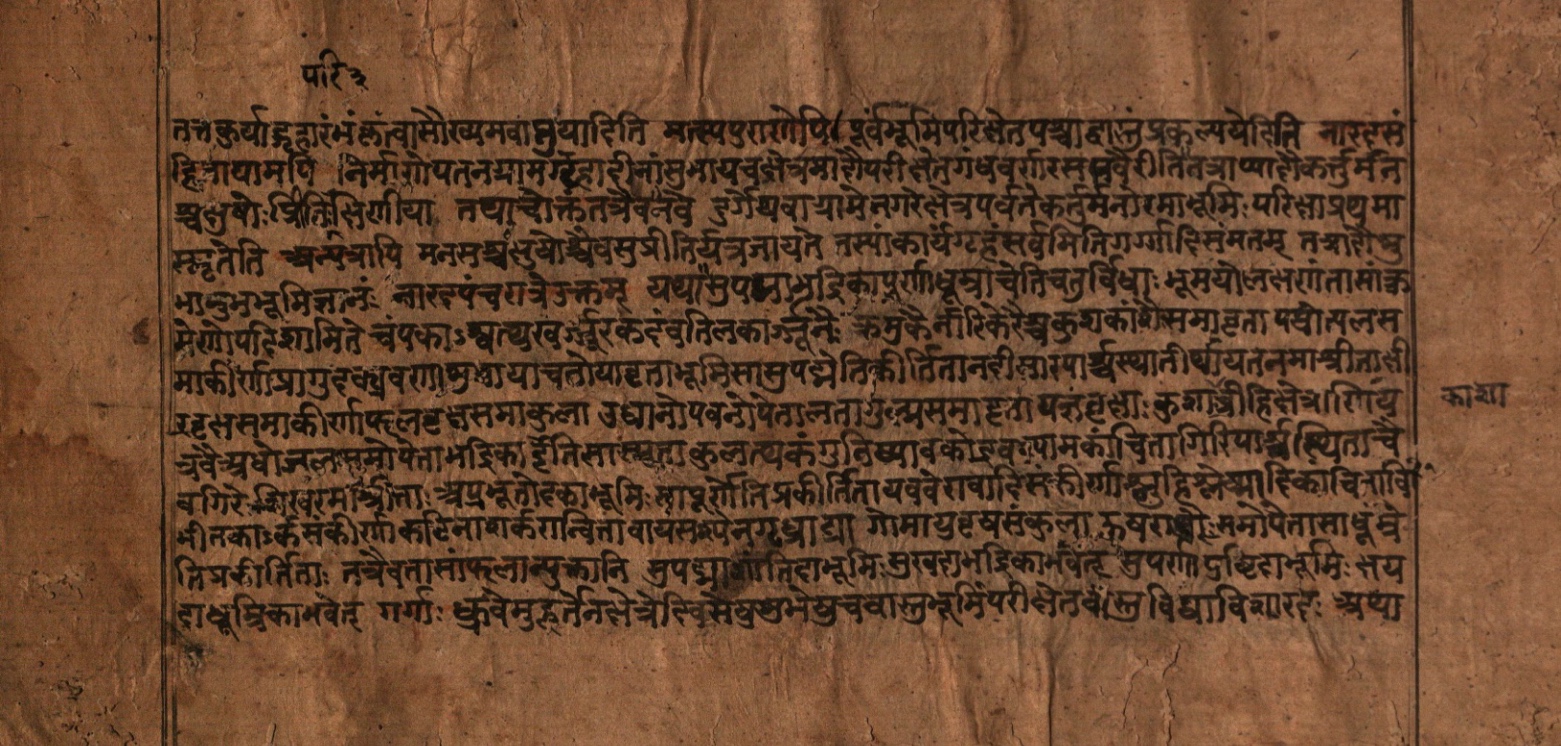
This Sanskrit manuscript, titled *Vāstuśiromaṇi* (Crown Jewel of Architecture), constitutes a comprehensive treatise on Hindu architectural science (*vāstuśāstra*), specifically addressing the ritual examination and classification of building sites. The text systematically delineates methods for assessing land through multiple taxonomies—geometric configurations (*ākṛti*), botanical indicators, sensory qualities (color, taste, scent), and socioreligious associations with the four *varṇa* classes—drawing upon authoritative sources including the *Matsyapurāṇa*, *Nāradasaṃhitā*, and *Nāradapañcarātra*. Notable is its integration of practical site selection criteria with cosmological and astrological considerations, prescribing that ground be tested for suitability (*śubhāśubhabhūmijñāna*) prior to any construction. The manuscript preserves valuable metrical verses (*śloka*) and appears to represent a significant compilation of medieval Indian architectural knowledge, attributed to a scholar named Śaṅkara or Śaṅkarī under royal patronage.