UpanishadFebruary 22, 2026
The Quenched Firebrand: Gauḍapāda on Causation
The Ālātaśāntiprakaraṇa, fourth chapter of Gauḍapāda's Kārikā, argues that cause and effect are unborn — and that the mind is the only cause of bondage and liberation.

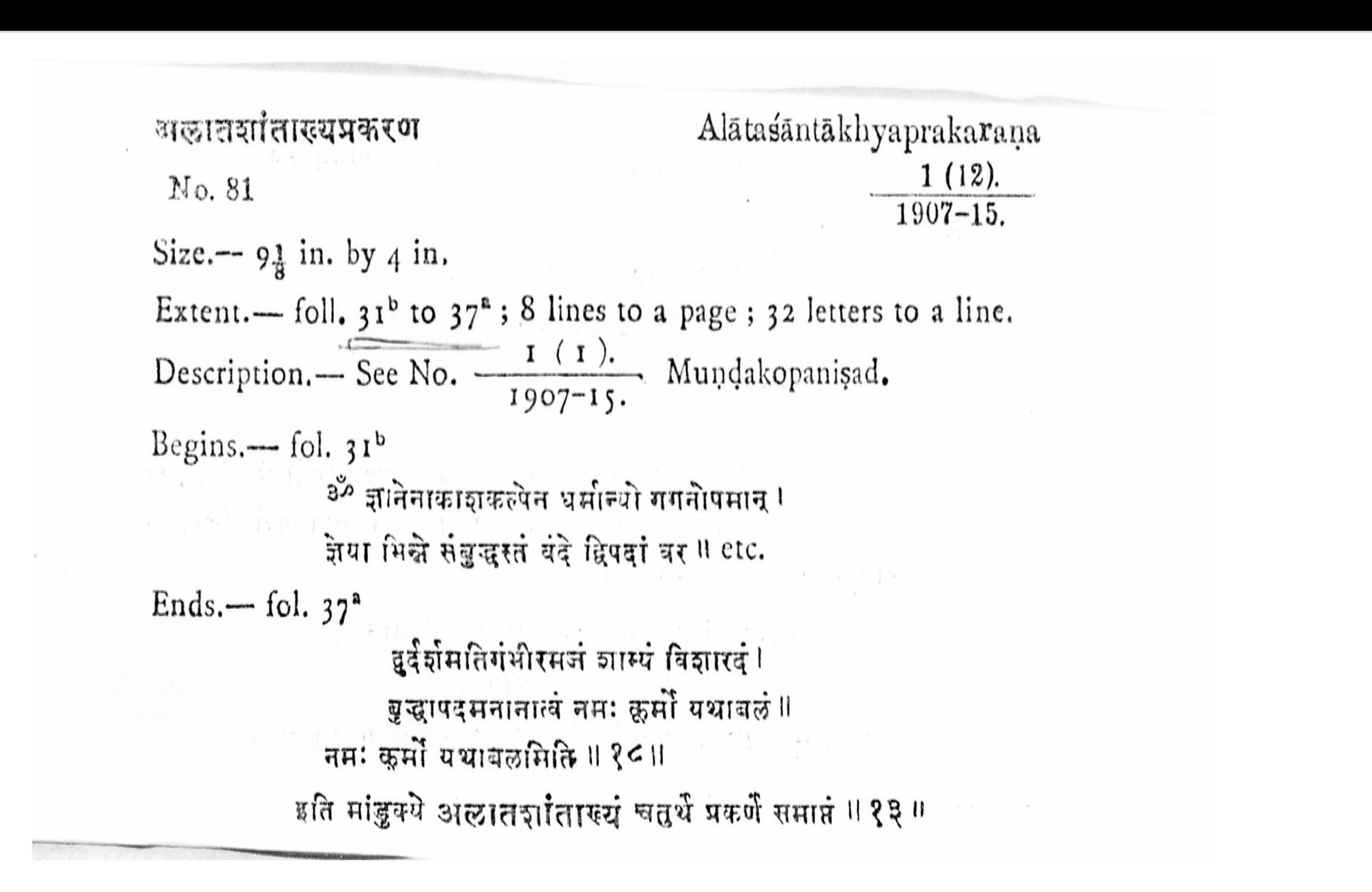
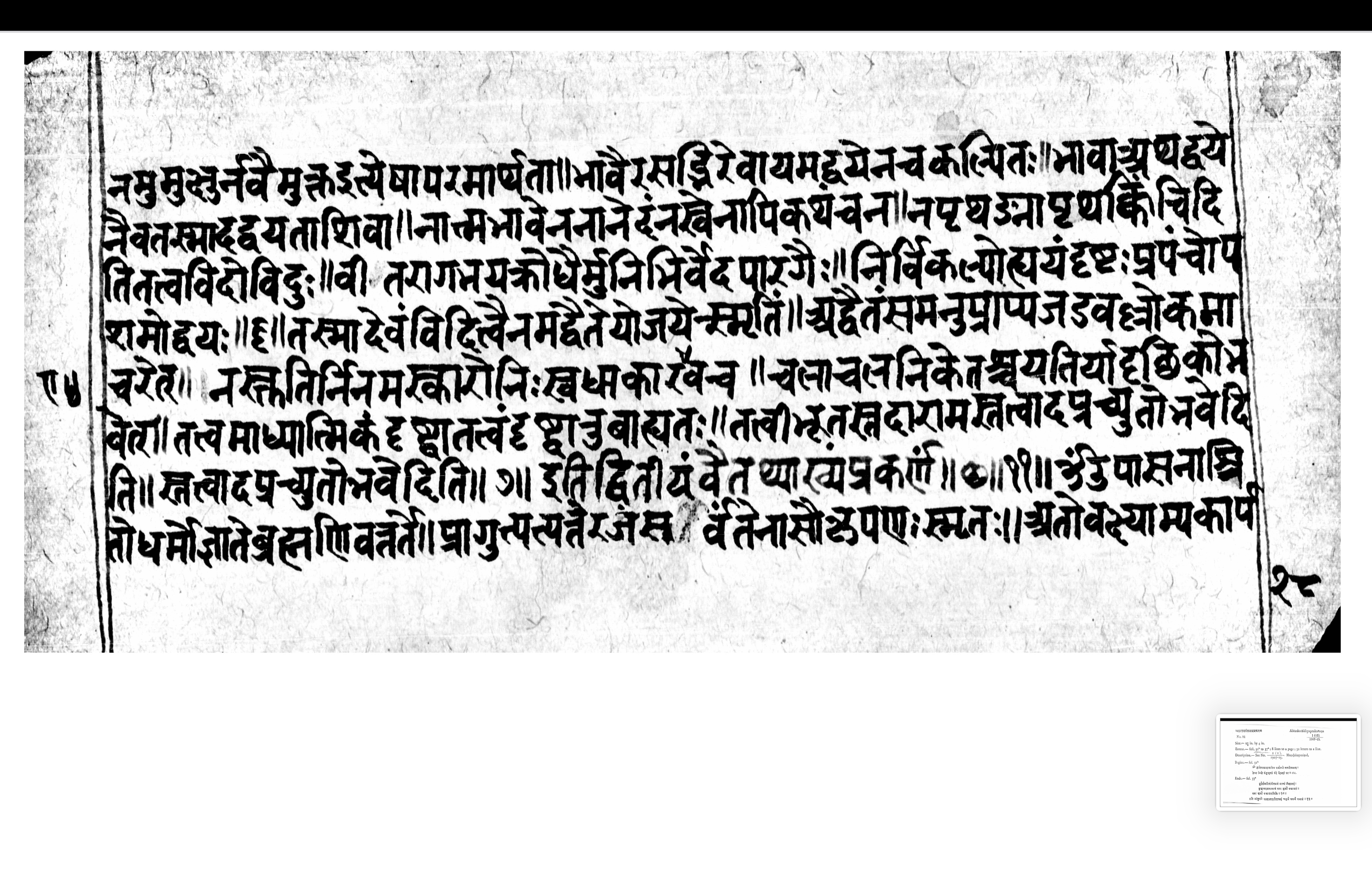
This manuscript presents a Sanskrit philosophical text, likely belonging to the Vedānta or Yoga-śāstra tradition, containing verses and prose discussions on metaphysical topics including causality (kāraṇa-kārya), the nature of the self (ātman), and epistemological concerns regarding perception and cognition. The text features significant interlinear or marginal commentary in Bengali script, indicating a regional transmission history in Bengal. Notable elements include the invocation of Maṅgala verses, technical discussions of hetu-phala (cause-effect) relationships, and references to dream-state (svapna) cognition as a philosophical analogy. The manuscript concludes with a colophon marking the completion of the fourth prakaraṇa of the Alātaśānti section of the Māṇḍūkya Upaniṣad commentary tradition, specifically associated with the Māṇḍūkya school.