Sanskrit
Mādhavanidānaṃ
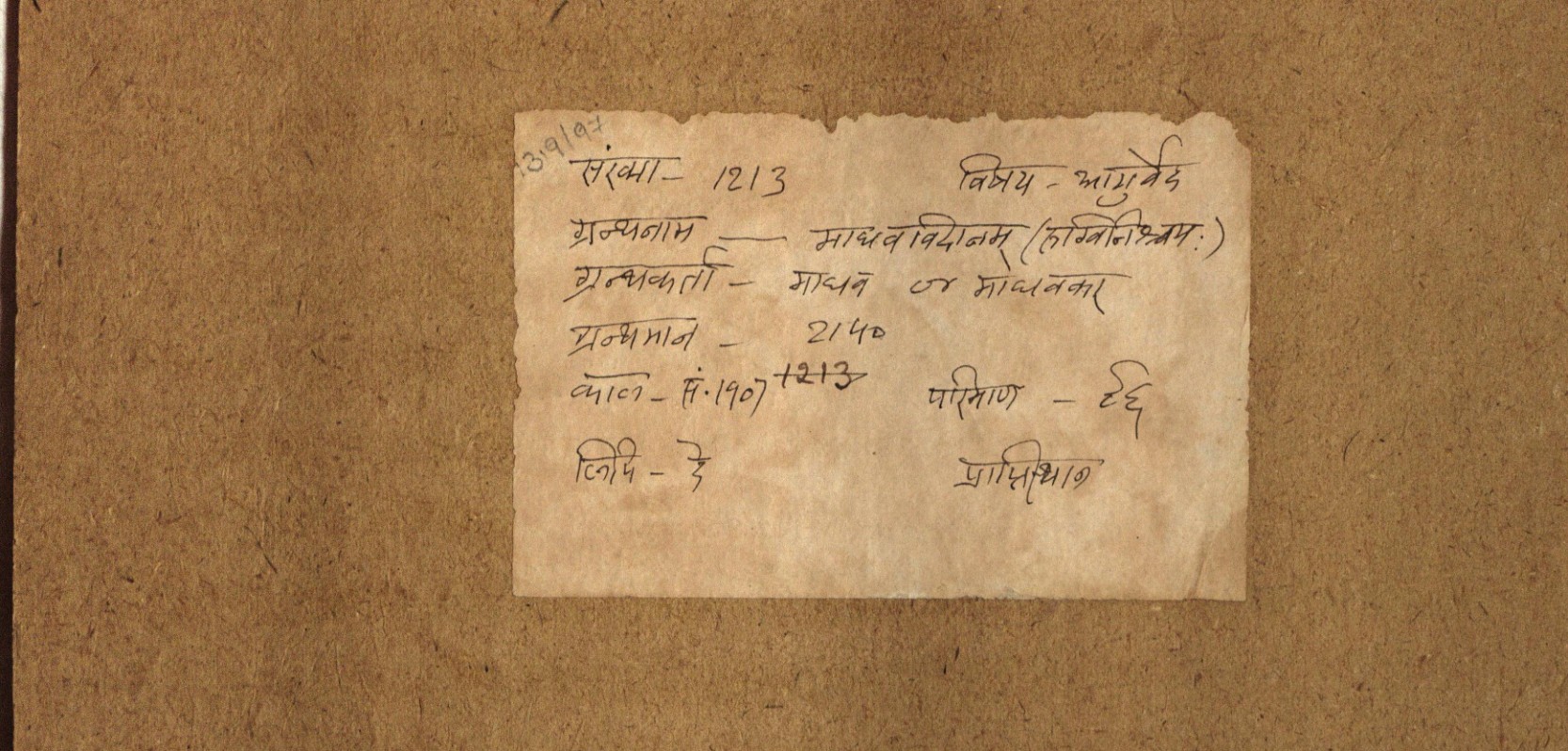
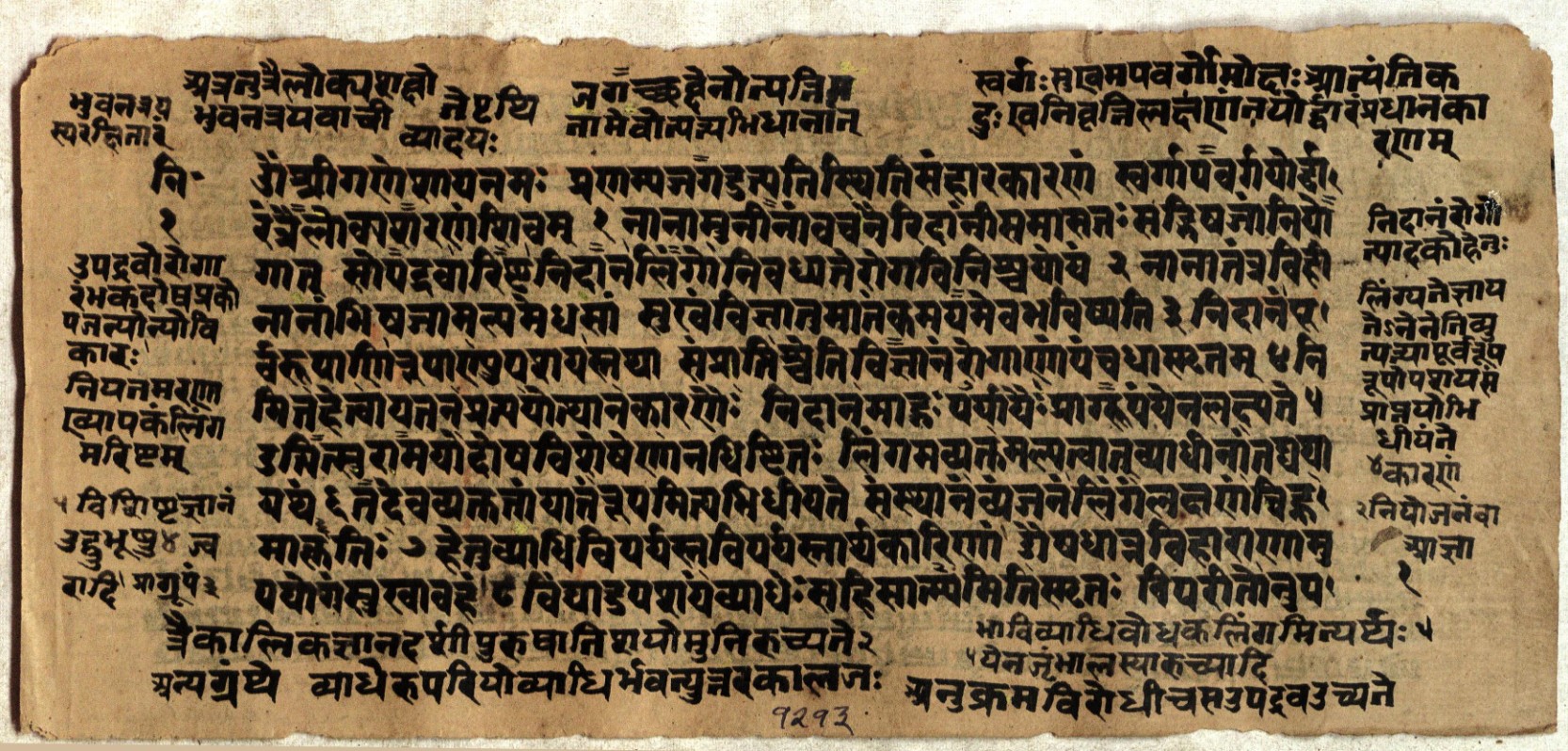
This manuscript is a Sanskrit medical text identified as the Mādhava Nidānam (Rugviniścayaḥ), a foundational Ayurvedic treatise on disease diagnosis composed by Mādhava or Mādhavakara, dated to Samvat 1907. The text systematically presents the five-fold diagnostic framework (nidāna, pūrvarūpa, rūpa, upaśaya, and samprāpti) for understanding diseases, with particular emphasis on fever (jvara) classification and the principles of therapeutic intervention based on opposing causative factors. Written in Devanagari script, this scholarly work demonstrates the classical Ayurvedic methodology of disease identification through detailed exposition of symptoms, etiological factors, and pathological progressions.