
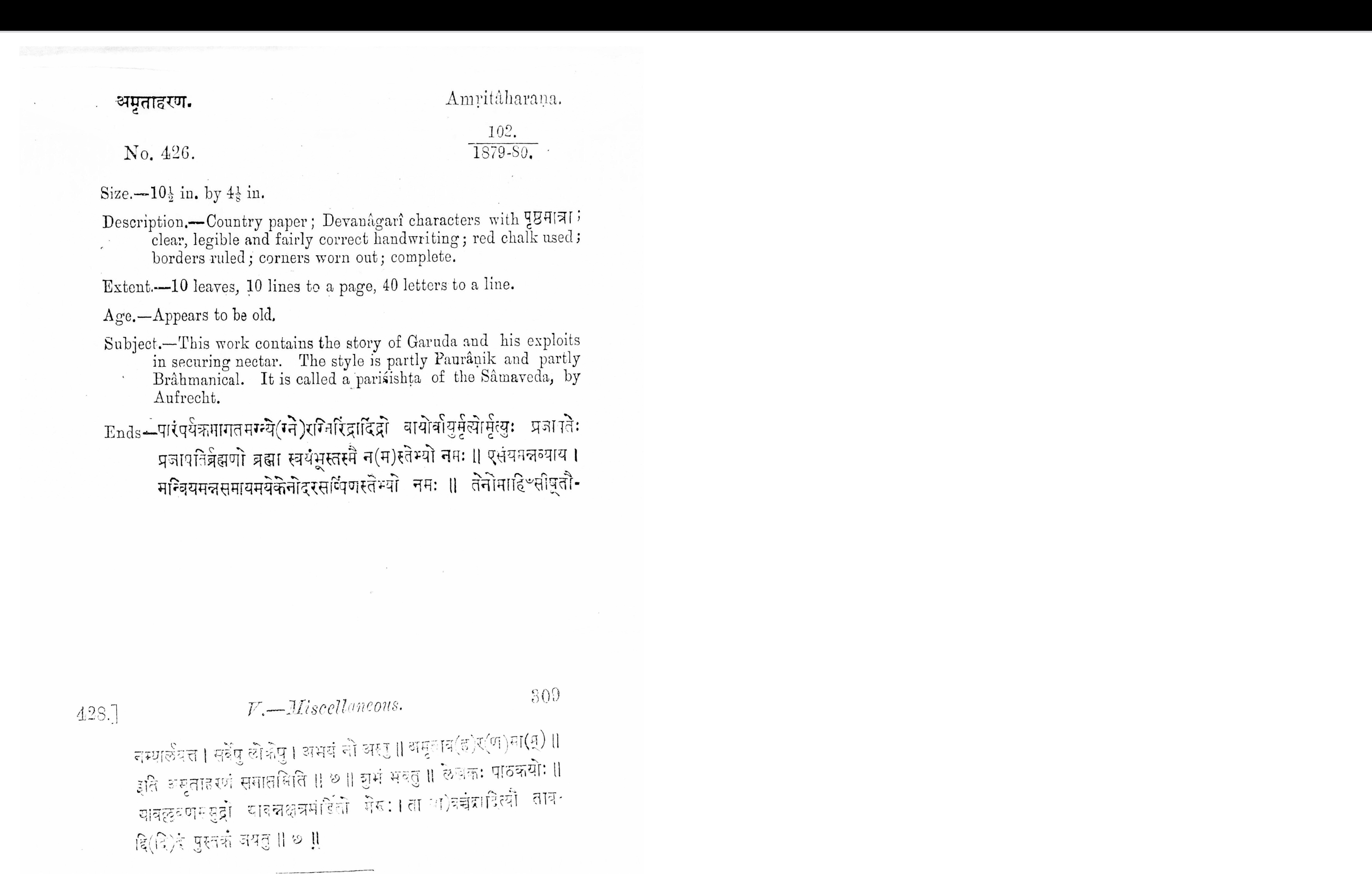
Amṛtaharaṇa
This multilingual manuscript fragment presents a complex interweaving of Sanskrit ritual verses, philosophical commentary, and Bengali prose, likely originating from a South Asian scholarly or religious context. The text contains Vedic mantras with repeated invocations to Prajāpati and Brahman, followed by dense philosophical discourse on knowledge (jñāna), self (ātman), and liberation (mokṣa), interspersed with later Bengali administrative or editorial notes dated March 2, 1956. The palimpsest-like layering of Sanskrit ślokas, repetitive scribal exercises, and vernacular annotations suggests this document served multiple purposes—liturgical, pedagogical, and archival—across different historical periods. Notable features include the use of Prakrit-influenced orthography, extensive textual repetition marking practice or memorization exercises, and the abrupt transition to Bengali prose concerning electrical power allocation and editorial decisions, indicating institutional provenance possibly connected to a periodical publication.